ACA Coverage Cancellations Put Insurer Responses Under New Scrutiny
Insurers face questions about 760,000 ACA coverage cancellations, while uncertainty remains over eligibility checks, reinstatements and subsidies.
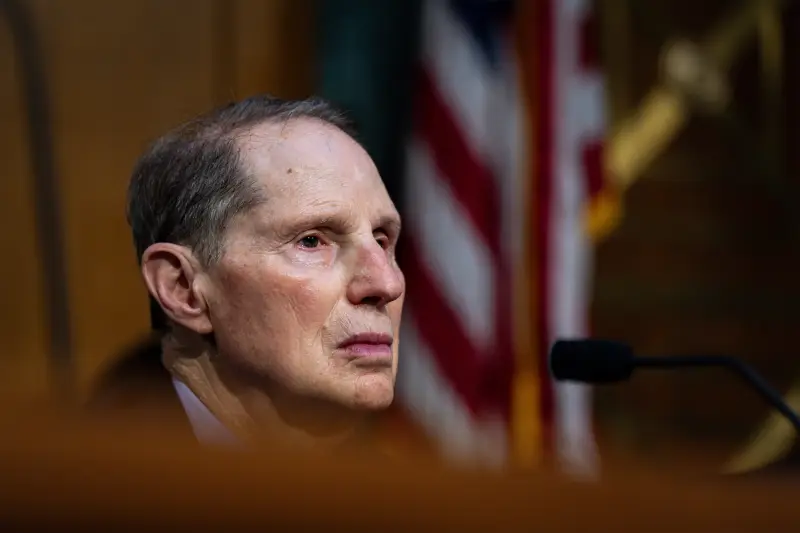
The cancellation of 760,000 Affordable Care Act (ACA) marketplace enrollments in late August has become a test of how insurers handled requests to identify and remove potentially improper coverage. A dozen Democratic senators sent letters to 10 health insurers seeking details about the process. With Democrats set to take control of both chambers of Congress in January, the inquiry could bring more hearings and demands for records.
The scale of the cancellations is clear; the number of eligible people affected is not. Insurers were asked to help contact more than a million enrollees flagged as suspicious. The administration’s effort began in June, and insurers returned the names of people who did not respond to outreach by email, phone or letter within 30 days. The first cancellation round followed in late August.
The companies receiving letters were Elevance Health, Cigna, Oscar Health, AmeriHealth Caritas, Centene, Florida Blue, Health Care Service Corporation, Imperial Insurance Companies, Molina Healthcare and UnitedHealthcare. They were given until Nov. 6 to answer 28 questions. By Nov. 10, a spokesperson for Sen. Ron Wyden’s office described insurers’ responsiveness as varying.
What the inquiry is examining
The questions seek to establish whether insurers followed proper procedures, how many legitimate enrollees lost coverage, and whether the criteria used to flag people accurately identified fraud. Those criteria included missing Social Security numbers or other key details, no recorded use of medical coverage, and full subsidies paired with no response to outreach.
Katie Keith, a director at Georgetown University’s Center for Health Policy and the Law, said the letters point to gaps in what is known about how cancellations were handled. She also said insurers may view the inquiry as more consequential when Democrats have subpoena authority and can hold hearings. Wyden’s spokesperson said Democrats would continue examining the arrangement between insurers and the administration and use available tools to seek answers.
The insurers had been asked to contact people identified as suspicious and pass along names when those enrollees did not respond. The letters could help establish what each company did, what information it relied on and how it handled cases in which a person could not be reached. Those details matter to people trying to determine whether they still have active coverage or whether a cancellation can be reversed.
At an Oct. 14 news conference, Centers for Medicare & Medicaid Services Administrator Mehmet Oz defended the cancellations. He said the agency believed the accounts were fraudulent and described them as “phantom” enrollments created by brokers without Social Security numbers. The administration has also said that improper enrollments can involve incorrect or missing data, inaccurate income estimates used to obtain subsidies, people who do not know they have coverage, or sign-ups made by agents seeking commissions.
A wider set of enrollment checks
The late-August cancellations are one part of a broader effort to tighten ACA marketplace enrollment checks. That work includes identifying people who may have other coverage and reviewing information submitted to qualify for premium subsidies. A second phase is examining another 419,000 enrollments.
Some new applicants are also being asked to complete additional online identity checks. Insurers received guidance in October encouraging them to look for suspicious patterns among agents and brokers and consider steps such as cutting commissions when problems are found. It is not clear whether insurers have taken those steps.
Courts have blocked some marketplace changes, including increased income checks for certain low-income enrollees and a pause on registrations for as many as 19,000 new agents. The agent pause would have affected people seeking help to enroll during the current open enrollment period. These rulings narrowed parts of the initiative, while the review of additional enrollments continues.
There is broad agreement that improper enrollment exists. The dispute is about how common it is and whether the measures used to address it have removed eligible people along with questionable accounts. Chip Kahn, a visiting fellow at KFF and the American Enterprise Institute, said the incoming majority is likely to press for clearer information about who was dropped and what the process involved.
Coverage and subsidy questions remain
Democrats have said they intend to seek restoration of the more generous ACA subsidies that expired at the end of 2025. Those subsidies were designed to lower premiums, but restoring them could be difficult. Enrollment in ACA marketplaces for 2026 is about 19 million, down from nearly 22 million in 2025.
Conservative policy groups argue that expanded subsidies encouraged inaccurate income estimates and made unauthorized sign-ups easier, particularly when plans carried monthly premiums of zero dollars. Brian Blase, president of the Paragon Health Institute, has argued that more zero-premium plans could lead to more fraud. He expects lawmakers to conclude that the cancellation process included sufficient checks and that eligible people who were removed could be reinstated.
The available figures offer only a partial picture. The Centers for Medicare & Medicaid Services said fewer than 0.01% of the people removed had contacted the federal marketplace to request reinstatement. The agency has not provided further details about the cancellations, including whether everyone who lost coverage knows it happened. A small number of requests, by itself, does not show how many affected people were eligible or aware of the option to seek reinstatement.
The next useful evidence will be the insurers’ responses: how many people they tried to reach, how they applied the criteria and what happened after coverage ended. That information can help clarify whether the process caught improper enrollments, swept in eligible members, or did both—and what steps affected consumers may need to take to confirm their coverage status.