GEICO Alleges Queens Pharmacy Billed $2.8 Million for Three No-Fault Drugs
GEICO says three costly drugs made up 91% of a Queens pharmacy’s billing. The pharmacy denies no allegations publicly in the filing, and the claims remain untested.

A Queens pharmacy’s billing for three costly medications is at the center of a dispute over approximately $2.8 million in New York No-Fault claims. GEICO alleges that Quick Script Chemist Inc. repeatedly billed for the same products, including for patients involved in the same crashes. The allegations have not been tested, and no court has ruled on the case.
GEICO filed its complaint on November 19, 2026, in the Eastern District of New York. It says the pharmacy submitted about $2.8 million in claims for medications dispensed to people injured in car accidents. The insurer says it has paid approximately $613,000 and asks the court to confirm it owes nothing on roughly $2 million in outstanding bills.
Three drugs dominate the billing
The complaint identifies Diclofenac Sodium 2% Solution, Lidocaine 5% Ointment and a combined naproxen-esomeprazole tablet as the pharmacy’s main products. GEICO says they represented about 91% of the pharmacy’s total billing. The alleged charge was $2,149.50 per prescription for diclofenac solution, $1,524 for lidocaine ointment and $2,144.64 for the combination tablet.
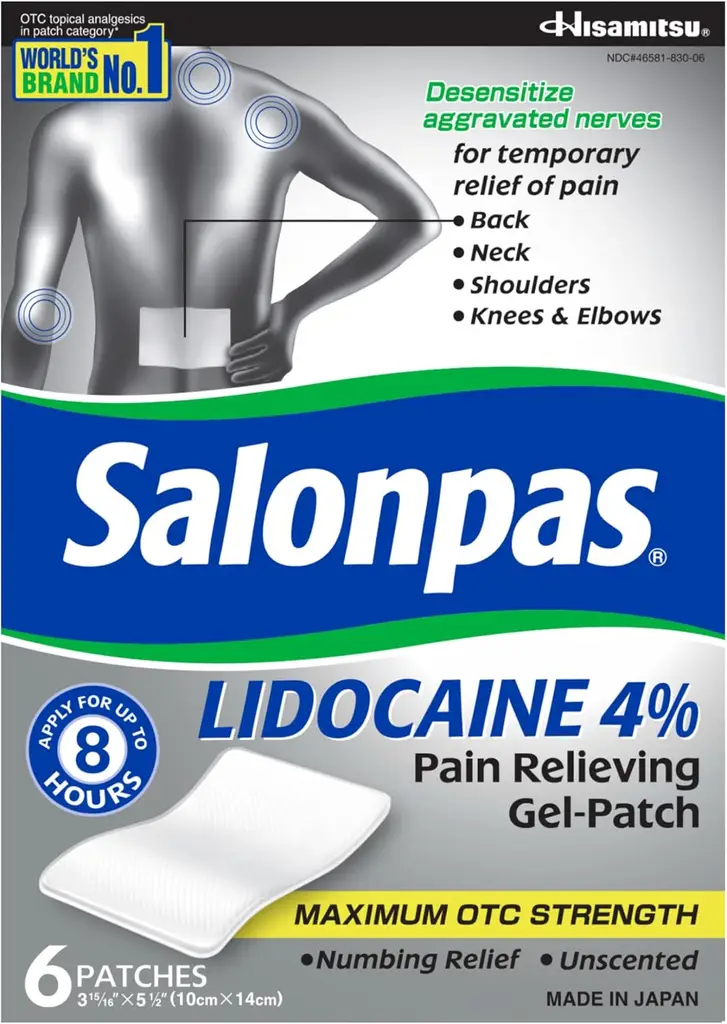
The insurer’s filing points to lower-priced alternatives and questions about how the drugs were prescribed. It says over-the-counter products containing 4% lidocaine, described in the complaint as having similar pain-relief properties, sell at major retailers for about $10. That comparison concerns a different formulation and strength from the 5% ointment at the center of the claims.
GEICO also says the diclofenac solution is approved to treat pain from osteoarthritis of the knees, and alleges patients received it after car accidents without documented histories of that condition. The complaint says Vimovo, the brand name for the naproxen-esomeprazole tablet, should not be a first treatment for sudden pain. It adds that each ingredient can be obtained without a prescription at a lower cost.
According to GEICO, Quick Script Chemist acquired the products cheaply and billed them at prices tied to inflated wholesale benchmarks. The filing does not establish that the pharmacy’s charges or dispensing practices were improper; those are allegations the insurer must prove.
Prescriptions allegedly repeated across crash patients
Another part of GEICO’s case focuses on prescribing patterns. The insurer says patients in the same collision sometimes received identical drug combinations despite differences in age, physical condition and seating position in the vehicle.
In one example, the complaint says three people from a January 2025 crash each received lidocaine ointment, diclofenac solution and cyclobenzaprine. GEICO alleges that one practitioner wrote the prescriptions even though another provider had examined the patients. In a separate example, four people involved in a New Year’s Day 2025 crash allegedly received the same combination over several months.
The dates on some prescriptions also drew attention in the filing. GEICO says prescriptions were often dated days after the associated examinations; in one cited instance, the prescription came 13 days after the patient’s visit. If established, repeated combinations and delayed prescription dates could help explain why the insurer is challenging the claims. They do not, on their own, resolve whether individual medications were appropriate for a patient.
A new pharmacy with distant patients
Quick Script Chemist was incorporated in March 2024 and registered as a pharmacy in May of that year, according to the complaint. GEICO says it billed the insurer about $707,000 during its first year. The filing notes that the pharmacy had no website or advertising and alleges it lacked the customer outreach typical of a community pharmacy.
The patient geography is another focus. About 70% of the patients who allegedly received medication from Quick Script Chemist lived outside Queens, where the pharmacy is located. Some lived in Westchester, Orange or Rockland counties; others were in New Jersey, Connecticut and Pennsylvania, the complaint says.
GEICO further alleges that roughly 63% of the pharmacy’s billing was tied to prescriptions from two medical practices. The complaint says those practices and associated practitioners had faced earlier insurer fraud lawsuits, and describes alleged links between Quick Script Chemist’s purported owner and a defendant in a separate case involving another pharmacy. Those claimed connections form part of GEICO’s account; they are not findings by a court in this dispute.
What the insurer is seeking
GEICO brings claims including fraud, unjust enrichment and an alleged violation of New York’s law against kickbacks for pharmacy referrals. It also seeks triple damages under the federal Racketeer Influenced and Corrupt Organizations Act. The complaint says that, if awarded, treble damages on the approximately $613,000 already paid would amount to about $1.839 million. GEICO is also seeking punitive damages.
For claims teams, the case puts several billing indicators in one dispute: a concentrated mix of expensive medications, repeated prescriptions for people in the same crash, delayed prescription dates and substantial billing soon after a pharmacy opened. Those patterns can prompt closer review, but the case’s allegations remain unresolved. The next practical marker is how the parties address the disputed bills and prescribing records as the case proceeds.