Level-Funded Health Plans Offer Practices Fixed Payments and Possible Claims Refunds
Level funding combines fixed monthly payments with stop-loss protection and possible refunds when claims are below budget. Applications for Jan. 1 coverage are due Nov. 13.

 A practice can have a year with relatively low medical claims and still face rising group health premiums at renewal. Level-funded coverage offers another way to structure those costs: the practice pays a fixed monthly amount, while the plan may return money if claims come in below budget.
That arrangement can make level funding worth examining for practices weighing their next group health plan. It doesn’t guarantee lower costs or a refund. The result depends on the plan’s terms and the group’s claims experience. But the structure gives employers a potential financial benefit from lower claims while setting a defined monthly payment.
What the monthly payment covers
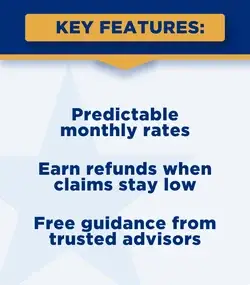
Level funding combines features of fully insured coverage and self-insurance. The practice pays the same set amount each month, which can make budgeting more predictable than costs that vary from month to month. The source describes those payments as fixed and capped, although the specific plan terms determine how the cap applies.
Traditional group coverage generally doesn’t return money to an employer because claims were low. With level funding, a practice may be eligible for a refund if actual claims for the year fall below the amount budgeted for them. That possibility links the group’s claims experience to a potential payment back to the business.
Eligibility for a refund is not a promise that one will be paid. The plan’s calculation, timing and other conditions matter, so a practice considering this arrangement would need to review the details with an advisor. The available information does not specify how any refund is calculated or when it would be issued.
Stop-loss coverage limits the practice’s exposure
Stop-loss insurance is included in the described level-funded rate. It is intended to absorb claims above a specified level when claims run unusually high, providing protection against costs that could otherwise place pressure on the business. The source does not give the attachment point, exclusions or other stop-loss terms, so those details would need to be confirmed for any plan under review.
That protection is a central part of the hybrid structure: the practice has a set monthly payment, potential savings tied to lower claims, and insurance intended to respond when claims exceed the plan’s threshold. The exact balance among those features varies by plan. A fixed payment by itself doesn’t tell an employer what services are covered, what employees may pay out of pocket, or how the stop-loss protection works.
Quoting can begin without medical history forms
Comparing a different funding structure can involve questions about employees’ health. The described initial quoting process does not require a medical review up front, allowing a practice to explore whether alternative rates may be available before asking staff to complete health history forms.
That can reduce the paperwork needed to start a comparison during a busy renewal period. It does not establish that a group will qualify for coverage or show what the final rate and terms would be. Employers should distinguish an initial quote from a final offer and check what information will be required later in the process.
Compare the plan against the practice’s current setup
A useful comparison looks beyond the monthly payment. Practices can review how the proposed plan handles claims, what stop-loss protection applies, whether a refund is possible and what employees receive under the coverage. The current plan’s cost and benefits provide the reference point; the available source does not provide sample rates or enough plan detail to calculate savings.
An advisor can evaluate the existing plan and compare options, including whether level funding appears to fit the practice. The source says TMA Insurance Trust advisors are not paid on sales-based commission and may advise a practice to keep its current arrangement or consider another group health option. Any comparison still depends on the plan details and the practice’s circumstances.
Application deadline for January 2027 coverage
For level-funded coverage effective January 1, 2027, applications must be submitted by November 13. The source says standard Open Enrollment deadlines do not apply to this coverage, making that date a key timing requirement for practices considering a change.
Practices can contact TMA Insurance Trust at 800-880-8181, Monday through Friday, 8:00 a.m. to 5:00 p.m. Central time, to discuss a plan review and possible eligibility. Before deciding, employers can use the comparison to clarify the monthly cost, coverage terms, stop-loss limits and any conditions tied to a potential refund.